Sunday, 16 April 2023

10 Golden Rules For Designing A Business Card


Business cards represent the next step in making your small business dream a reality. And for many potential customers, it’s the first interaction they’ll have with your brand – so, make sure it’s a positive one.

A thoughtfully-designed business card does more than carry your contact information. It will make you look professional, build trust in customers, and set your small business apart from others. But before you start giving out business cards to everyone you meet, stop and ask yourself: What makes a good business card? How can you make it stand out, and ultimately bring in more business?

The answer: A careful combination of the information you include, and how you present it. Here, we’re giving you 10 essential tips on how to design a business card that best represents you (and your business!). Be on the lookout for advice from Tristan Le Breton, Creative Director at 99designs. 99designs is a creative platform that specializes in connecting graphic designers with their clients to create logos, websites, and more.

Ready to get started? Here’s how to design a business card:
  1. Find a template that reflects your brand’s personality.
  2. Find the right typeface.
  3. Settle on a size and shape.
  4. Organize your information.
  5. Do double duty.
  6. Maximize your logo.
  7. Leave some white space.
  8. Add something special.
  9. Include a call to action.
  10. Proofread.
  1. Find a template that reflects your brand’s personality.

Your business card says a lot about you and your small business…so, choose a design that reflects your brand. Maybe you’re an interior decorator who specializes in modern styling and loves clean lines – reflect that with a template that’s clean and simple. Or, perhaps you’re a dog walker with an outgoing personality – reflect the fun nature of your business with a colorful, less formal card.
  1. Find the right typeface.

If there’s a font you’ve been using on your website or other marketing materials, bring that into your business card. The font you choose should represent your brand – maybe an elegant script if you’re an etiquette coach, or typewriter-inspired font if you’re a writer – and be easy to read. All of your text should be at least 8 pts., but more important information (like your name or business name) can be printed in larger size, a different typeface, or in bold.

Tristan’s recommendation? “A good rule of thumb is to make the company name larger than a 12pt font, and never use any font sizes smaller than 8pt.”
  1. Settle on a size and shape.

The size and orientation of your business card affects text size and the amount of information you can include…and also makes a statement about your brand. Are you a conventional, no-frills enterprise or a bold non-conformist?

Most business cards are rectangular, about the size of a credit card, and laid out horizontally. People are familiar with this format, so it’s a safe choice…but if you want to stand out, consider using a square shape, rounded corners, or vertical orientation.
  1. Organize your information.

Speaking of information…your business card should give customers everything they need to contact you, find you online, or locate your storefront. Aside from your name and job title, add your business name, telephone number, website, email address, and social media handles. Make sure you include all of this information on your business card so customers can easily contact you the way they feel most comfortable.

When you’re adding your information to your business card template, consider the way you lay it out. Each piece of info should be clearly distinguishable, but flow nicely with one another. “A good visual flow for a business card design should start with the logo, then the name, then move on to secondary information like email addresses and phone numbers,” Tristan suggests. “You can always alter the visual flow by adjusting an element’s size, shifting its location, or adding additional white space.”
  1. Do double duty.

Make your business card work twice as hard for you and your small business. Use the reverse side for appointment reminders, loyalty stamps, or as a blank canvas to showcase something about your business. For example, if you run a restaurant or cocktail bar, include a short recipe for a signature dish or drink. Do you sell handmade goods? Use business cards as tags for jewelry, clothing, accessories, and other crafts.

Another way to make your business card stick is by turning it into a magnet. This technique works particularly well for businesses offering recurring services like plumbing, gardening, pet sitting, hairdressing, car services, restaurants, and more. Customers will stick them on their refrigerators for easy, top-of-mind access to your contact information.

The options for repurposing your business card are endless…and can ensure your card gets further, lasts longer, and makes a stronger impression.
  1. Maximize your logo.

Tristan says, “Your card is more than just your contact information – it’s a representation of you and your brand. Before you think of creating new business cards, there are two crucial design components to consider: your finalized logo and your brand colors. These elements are the most important parts of your visual branding, and will help influence other areas of the card design process.”

A business card is *all* about the logo – consider dedicating one side of your card solely to your logo. As a visual representation of your business, it deserves a prominent place that will instantly catch the eye of potential clients.
  1. Leave some white space.

Don’t clutter your card with too much text – if there are too many elements on the card, they’ll all compete for the reader’s attention and nothing will stand out. (And remember – you can utilize both sides of the card!) Design-wise, a little white space is easier on the eyes…and it can help draw attention to the most important details.

Plus, you might want to add a note before you hand off your card to someone – leaving a little room gives you space to jot down your new phone extension or give potential customers the name of a colleague.

Tristan reminds us that “the fewer elements you have, the more impact each will make – so think about how you can clear the clutter to leave a lasting impression.”
  1. Add something special.

According to Tristan, “special finishes can go a long way in making a lasting impression on potential customers, partners, and clients.”

One easy way to make your card stand out is to add an unusual design element or special print treatment. Foil accents add a touch of sophisticated shine, while embossed gloss creates a raised, glossy coating, giving your cards a hard-to-forget 3D feel.

Paper stock is another way to add something special to your business card. Extra-thick paper adds an instantly luxurious touch, while recycled kraft paper lends an organic feel.

Make sure these special features are appropriate for your branding – if you’re in a less glamorous line of work, it might feel odd to add a shimmery foil accent to your business card.
  1. Include a call to action.

A CTA isn’t a business card requirement, but it can encourage potential clients to take that next step. Whether it’s a special offer, a useful tip, or a discount code, create an incentive around your business to energize customers.

\Consider using a QR code as part of your call to action. As people are increasingly comfortable with scanning QR codes, adding one to your business card is a great one-click way to send people to your website, subscribe them to your mailing list, or give them a special promotion. We suggest placing the code on the back of your business card – this ensures it’s easy to scan, and won’t take away from your logo on the front.

  1. Proofread…and then proofread again.

Is there anything worse than opening a freshly-printed box of business cards (or menus, or flyers) to see that there’s a typo? Before you place your order, ask a colleague or friend to double-check your business cards for spelling errors. If you want to be *extra* sure that your card is perfectly proofed, enlist the help of a copyediting professional. Since there is such a small amount of text on a business card, it should be a relatively quick, low-cost task.


.
.
.

Thursday, 16 March 2023

Poster Printing: A Concise Guide


A3 posters are sized as 297 x 420mm

You can have A3 posters printed for:

  • A3 academic posters
  • A3 conference posters
  • A3 event posters
  • A3 university poster
  • A3 PhD posters
  • A3 Student posters

For students and professionals on a budget, there are a variety of paper sizes and finishes to suit your needs. We recommend A3 printing be done on satin paper as it has a slight texture and shines to make your poster look professional and outstanding in a crowd. It looks amazing under bright lights at a presentation. Matte is also a good option if you need a non-reflective coating on your poster or if you wish to write on it.

The exact size of an A3 poster is trimmed to 297 x 420mm

An explanation of the finishes on A3 printed posters:

  • Matte Coated A3 Paper – This is a non-reflective flat white A3 paper that’s similar to the standard type of home paper most people are used to. Poster printing Matte paper is much thicker than standard paper which is coated in a special white finish to help your poster appear brighter and pop out.
  • Satin Coated A3 Paper – This is a slightly reflective premium A3 photo paper that has a slight texture and adds shine to your poster. It does not reflect as much as Gloss Coated Paper so it’s easy to read under brightly lit environments. This is recommended for a most professional look

If your A3 printing needs do not include posters - check out more information on A3 printing to find the A3 printing services to suit your needs.

.

.

.

.

Information shared from https://printingcapetown.wordpress.com/2023/03/12/poster-printing-a-concise-guide/

Sunday, 26 February 2023

A Guide To Trade Show Marketing Materials

Many active industries make convention centres an ever-growing destination for trade shows. 

Partnering with a top printing company that can prepare your trade show marketing materials is crucial. Keep reading to learn about the most important trade show marketing materials, like flyers, in South Africa!


Trade Show Marketing Materials: What to Know

Cape Town hosts trade shows in a wide range of sectors due to its ease of access, plentiful lodging, and exciting entertainment options. From music-focused expos to shows for sectors such as construction materials, remodelling, medical fields, and more, a wide range of groups choose to host their shows in South Africa. 

When attending a trade show in South Africa, a full-scale set of marketing materials is necessary. A simple banner and business cards won’t cut it anymore, as companies have become increasingly competitive and bring a wide range of innovative, eye-catching marketing items, still including flyers, to their trade show booths in SA

Top Trade Show Marketing Materials

To make a statement nowadays, your trade show marketing materials need to be exciting and creative enough to deserve a second glance. Here are some of the best trade show marketing materials that will help you stand out at your next show. 

Banners

The first item that trade show attendees will see at your trade show display is your banner. Therefore, it’s important to have a banner that stands out from the crowd and attracts attention, while still showing what your company is all about. These banners come in a range of sizes and materials too. 

Brochures

When trade show attendees stop by your table, it’s important to be able to provide them with the information they’re looking for. By printing a suite of brochures that cover your company’s most important services or products, you can quickly and easily distribute information about the topics potential customers are curious about. 

Brochures provide the space to go into depth about a topic, but it’s important to create a balance between text, headings, and images. The graphic design experts at a printing company can help you find the best balance and create informative brochures that draw readers in. 

Notepads

Visitors to your booth love to take something home with them, and what better than their very own notepads with your company branding? Notepads are not only useful, but since they’re used for long periods of time, they can help cement your company in clients’ minds. Next time they’re thinking of a potential company for their needs, they’ll be more likely to think of you. 

Vouchers

Everyone loves a great deal. Handing out vouchers at trade shows will convince your target audience to give you a call. Great vouchers make your company competitive, and most importantly, they get new clients in the door. 

Swag Bags

What is a trade show without swag? Distributing a great swag bag to visitors or hosting trade show giveaways helps you stand out from the crowd. Include a range of materials, including informative print materials like business cards and fun promotional items that help people remember your name. You can even place all of your items in a custom-printed bag containing your company’s logo.

Printin shops print a wide range of exciting speciality products, including stickers, apparel, pens, and more, that will make your swag bags full of fun surprises that make a lasting impression on potential clients and competitors alike. 

Tips for Creating the Best Trade Show Marketing Materials

We’ve discussed the best materials to bring with you to your next trade show; now, let’s explore how to make those items a reality. 

Know Your Budget

As is the case in every dimension of growing your successful business, balancing a successful budget is key to your success. For every trade show you attend, create a realistic trade show budget ahead of time. 

Factor in all of your expenses, including travel, registration, hotels, and all of the other expenses that you’ll incur during the show. This will help you understand how much money you can spend on printing your trade show marketing materials. 

Consult Your Brand 

Every trade show is an opportunity to spread brand awareness among your target clients. Therefore, make sure you follow your brand guidelines when you design and print all of your trade show booth materials. 

Before finalizing any designs, make sure that you’ve used your brand colours and imaging for all of your materials. This way, every item seen by visitors to your booth will help reinforce your company’s brand presence. 

Work With The Professionals 

When it comes to consequential marketing opportunities such as trade shows where you’re spreading your name far and wide, don’t leave the printing to the amateurs. Printing your own materials or turning to a small, local printing company can end with broken printers, unavailable materials, and other heartaches, so be sure to avoid this. Make sure to partner with professionals who can print all of the items you need at prices you love. 


.

.

.

.

Info sourced from https://theprintauthority.com/

Saturday, 28 January 2023

Types Of Label Adhesives And How Well They Work

In a previous blog, we covered the three main types of pressure-sensitive adhesives and how basic properties (initial tack, cold flow, and service range temperature) vary – even if the adhesives are classified as the same “type.”


This blog contains an overview of the factors that affect adhesive performance. Stick right where you are to learn about label adhesives and ensure you choose the best label printing for your needs!


Performance Factors To Know
Pressure-sensitive adhesives are available in different levels of stickiness. This affects how quickly they absorb into the surface they apply to. But along with a basic level of stickiness, there are other factors outside of the adhesive that can affect overall performance. Below are seven considerations outlined by the material suppliers that we consider, and you should consider too when selecting label materials.

Note: A “substrate” is the material, surface or container that comes in direct contact with the adhesive and face stock (i.e. the paper or film material your artwork prints on).

Composition, Texture, and Shape
  • Composition: The composition of the substrate can affect the adhesive’s ultimate strength and bond. Plastic, glass, paper, cardboard, metal, and fabric all have different compositions which can affect how an adhesive will perform. The standard permanent adhesive works well on most of these surfaces. Keep in mind that special adhesives may require extra considerations to ensure it’s compatible with the substrate’s composition.
  • Texture: A substrate’s texture matters because it can affect how well the adhesive bonds. Rough textures are harder for adhesives to stick to because there’s less surface area for the adhesive to grip. Cases like this require a more aggressive adhesive to achieve an acceptable level of adhesion.
  • Shape: Curves and angles can be difficult areas to label – especially if the label face stock is more rigid. PSAs require some time to flow into the substrate to achieve ultimate adhesion and when a rigid label applies to a curved surface, the label’s stiffness can cause it to lift up from the surface before the adhesive can fully bond. If that curved substrate also has a rough surface, you have an even tougher challenge. At this point, consider using a more flexible face stock or a more aggressive adhesive.

Cleanliness, Temperature, Moisture Contact, and Service Condition
  • Cleanliness: Whether it’s dirt, oil, frost, dust, etc., it’s important that the surface a label applies to is clean. An unclean surface prevents a label from achieving ultimate adhesion. In certain manufacturing processes, contamination is bound to happen. If having consistently clean surfaces isn’t an option, special adhesives help tackle issues.
  • Temperature: Temperature also plays a role in how well an adhesive can flow into the substrate. Extremely low temperatures can be problematic for adhesives. Adhesives have “minimum application temperatures,” which are the lowest temperature they can be applied, and still have tack, before crystallizing and turning solid. If you must apply your labels in a cold environment, special adhesive would be needed. Specialized “cold temp” or “all temp” adhesives are used for application temperatures as low as -10 to -20 degrees F.
  • Moisture contact: Labels printed on paper materials don’t hold up well against direct moisture or humidity in the air. If the paper label has limited exposure to moisture, a laminate applies over the paper to protect the material’s integrity and printed image. Film labels are more durable against moisture contact, but clear film has some special adhesive considerations. When clear labels have an emulsion adhesive, and they apply to a wet or moist surface, the adhesive can re-emulsify turning the color milky white. The discoloration will go away over time but may take days or even weeks to happen.
    Side note: An emulsion is a mixture of two liquids that can’t mix (e.g. oil and water) without an emulsifier addition.
  • Service conditions: Keep in mind the various elements your labels encounter over their lifespan because of special materials required to ensure label quality. Moisture, abrasion, heat, cold, oil, dirt…the list of potential service conditions are practically limitless!


Summary
As you can see, label adhesives can act in many different ways depending on their environment and substrate. Fortunately, there are things you can do to ensure that the labels you choose to have printed are right for your labeling needs

.
.
.
Info shared from https://printperfection.postach.io/post/types-of-label-adhesives-and-how-well-they-work

Saturday, 29 October 2022

Why Telescopic Banner Flags Are Still An Effective Advertising Medium

There are many benefits for your business to investing in custom-made telescopic banners for its promotional and advertising endeavours. Telescopic banner flags remain one of the best ways to grab the attention of your audience at local events, markets, conferences and outdoor events.

Why should you consider investing in telescopic banners for your business? There are many reasons, including: 

Advertising costs

Compared to other advertising mediums and products, the prices of telescopic banners are inexpensive. You will easily be able to enjoy great ROI on your banner investments since they will last for many years. 

Durable

These banners and flags are designed to last. It will provide you with many years of great and reliable service and offer you a great return on your investment.

Portable

If you travel a lot for your business and need to lug around all your marketing materials, then telescopic flags become even more valuable. It is incredibly portable and easy to transport and the setup and dismantling of the flags is a breeze.

Any business owner knows that the success of their business is inextricably linked to their advertising strategies and campaigns and to a success you will need to invest in marketing strategies. 

.

.

.

Info from https://www.gazeboworld.co.za/

Tuesday, 11 October 2022

Top Considerations When Looking For A Printing Company For Your Marketing Material

Picture

The printing industry today is not the same low-tech outfit it was years ago. There have been significant advances in printing technology that not only makes the work enjoyable and clean for printing professionals, but it also makes the end product look better for the clients.
The following are factors to consider when you are looking for a company to design and print marketing material for your business:


Ability To Offer Cutting-Edge Design And Color Printing Services
One of the challenges business printing experienced in the past was the availability of vivid colours. This limitation was, in part, due to the inability to mix colours with precision and produce full-colour prints.


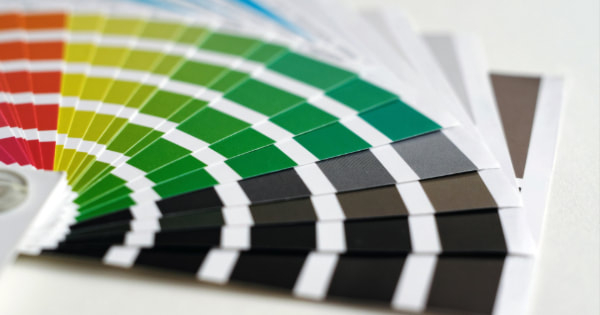
To achieve the right balance, you need to appropriate colour at the design stage carefully. This includes using top-notch tech to mix the colours accurately. Ultimately, it is the trained eye of the designer that determines whether your brochures or business cards will end up looking like disco lights or a professional marketing tool.


The Use Of Calligraphy And Typography
Calligraphy has aesthetic appeal, and it gives the printed resource a personal touch. When used correctly, calligraphy on your booth displays or even business cards will ensure that they stand out. Customers will find your business more quickly and be able to identify it based on originality alone.


If you choose to use calligraphy, use a font that communicates the image you want for your company. Bold, striking lines are great for a bold message. For delicate, artistic services, you can always use a whimsical font. Mixing colour weights and geometric shapes in a creative way can also help your business stand out from the crowd. If, for example, you are in the construction industry, you may wish for your posters, and business cards to project strength. On the other hand, a fashion designer might want to use shapes that project your specialities in design.


Consistency
Consistency is essential to get your business on the map. Once you have selected colours, fonts, and shapes for your business cards and promotional materials, keep using them as long as they generate a positive response. This will your design an integral part of your business’ identity. Since about 85% of your customers live within a five-mile radius of your brick-and-mortar shop, they will start associating your design with your business — and its reputation. This recognition is an important marketing tool.


When your printed resources have inconsistencies, some potential customers may get confused. After all, your design could end up being the only thing that reminds a customer of your business. This is why your printing service provider must remain consistent at all times when printing Cape Town ads.


Print Quality Is Key
Always bear in mind that your target audience has already been exposed to high-quality printed resources. It will take a special touch to make your tradeshow materials stand out. It is important that your business’ printed resources do not disappoint.


This will be determined by the quality of the printing equipment and the printing process. Go for a printing company with a proven track record that uses high-quality materials to craft the best products. You could also ask for some samples to help you determine whether their printing services meet the quality you want.
.
.
.
Info shared from https://fromhelveticatoprint.weebly.com/blog/top-considerations-when-looking-for-a-printing-company-for-your-marketing-material

Benefits Of Printed Feather And Teardrop Banners

More people are using outdoor flags to draw attention to their events or business. There are many benefits to using them and we’ve listed a few of those benefits below.


Complete Marketing Guide for Custom Flags

Flags Can Speak Volumes

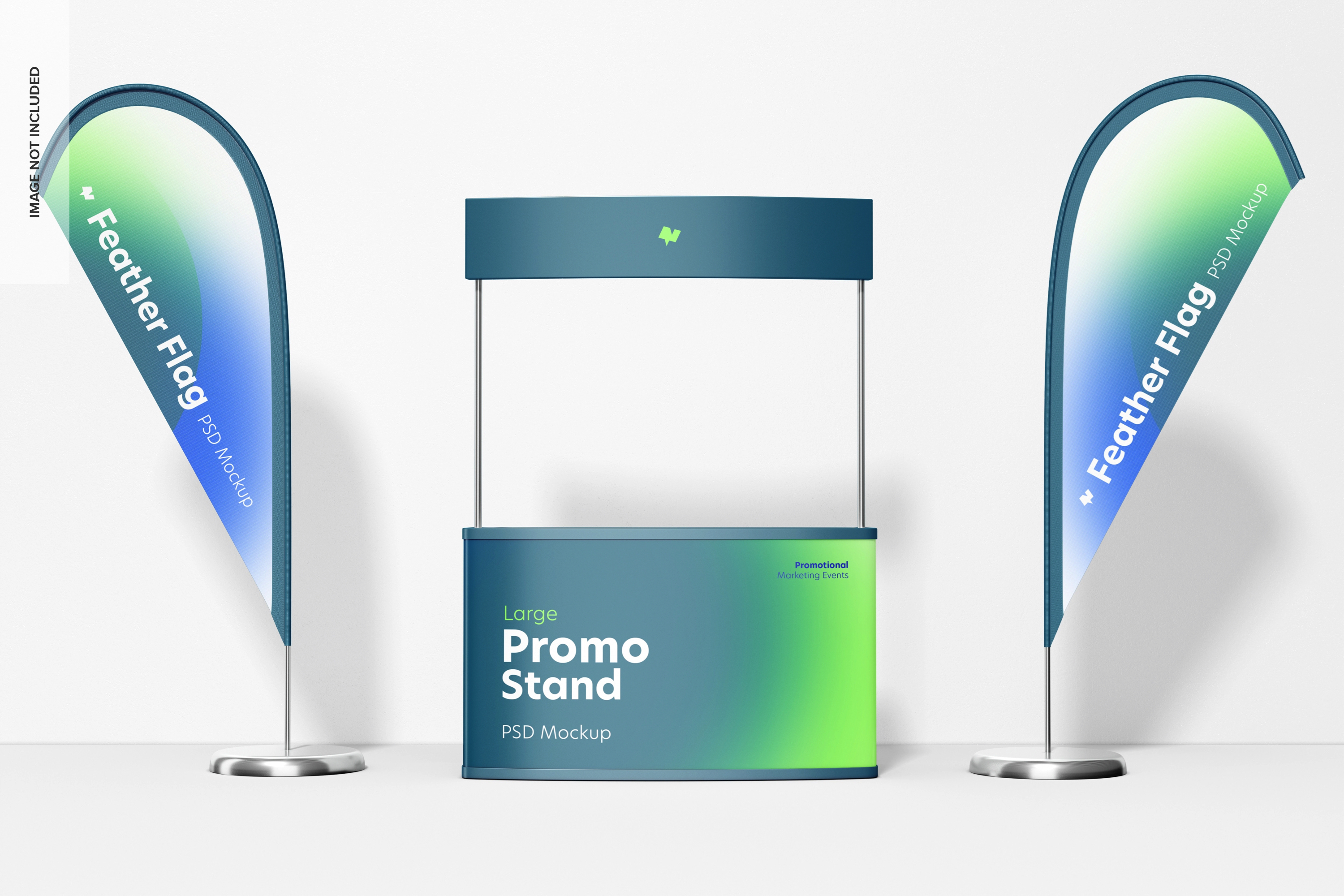
Both teardrop banners and feather flags have the ability to grab the customer’s attention quickly. Whether using them indoors or outdoors, they are offered in a variety of sizes and will get your business or event noticed. There are a few options for hardware.

Easy To Transport

There are a variety of marketing tools such as banners, but they can be difficult to transport and take up a lot of space. However, that is not true with advertising flags. One of the many great things about custom flags is that they are relatively easy to transport because of their size and weight.

This will benefit anyone, but it’s ideal for those who frequently attend events where they promote a product, business or service. If purchasing additional hardware, it will be included in a convenient carry case.

Easy To Set Up and Take Down

Custom teardrop banners are probably one of the most accessible types of marketing tools to set up and take down. The only thing that you will have to do is set up the stands and add the flag. They will then be ready to promote and advertise your business and start bringing in new clients or promoting a special event.

Affordable

When you compare the options for other event banners, custom-printed flags are more affordable. 

Flags Help Promote Businesses And Events

Custom flags are very versatile. They can be used by many businesses, including restaurants, boutiques, and car dealerships. They can also be used to welcome clients, advertise sales and for other purposes, including trade shows.

Furthermore, use them at different types of events. You can take them to tournaments, weddings, flea markets, concerts, outline booth spaces, and many other places. The possibilities are endless.

Those are just a few of the many benefits that can be reaped from using custom flags. They are a worthwhile investment that can help take your business to the next level. 

.

.

.

.

Info from https://www.primoprint.com/blog/